In the sewing industry, it's common to spend hundreds of dollars on ergonomic chairs to improve operator comfort and posture, yet operators often rely on a ten-dollar light that barely illuminates the work area. This creates a weakness in workplace ergonomics since eye strain ends up being one of the biggest factors affecting comfort, accuracy, and productivity.
Sewing tasks demand prolonged visual focus, fine detail work, and rapid hand-eye coordination. Without proper lighting, even the most skilled operator can suffer reduced performance, fatigue, and lost productivity.

The Hidden Cost of Inadequate Lighting
Studies in sewing machine environments show that insufficient light levels have measurable effects. For example, research found stitching areas illuminated at about 250-260 lux (well below the recommended 500-1000 lux for precision tasks) were associated with higher error rates and operator complaints. (RJPN Research Journal +2 Canada Commons+2)
General ergonomic guidance points out that poor lighting can cause eye discomfort, headaches, and a drop in output. (CCOHS)
In manufacturing studies, improved lighting was shown to boost accuracy and reduce fatigue, directly linking to productivity gains. (Lighting Design Lab+1)
For a sewing operator, operating a machine for hours each day under sub-optimal lighting means:
|
|
How the UberLight™ Flex Makes a Difference
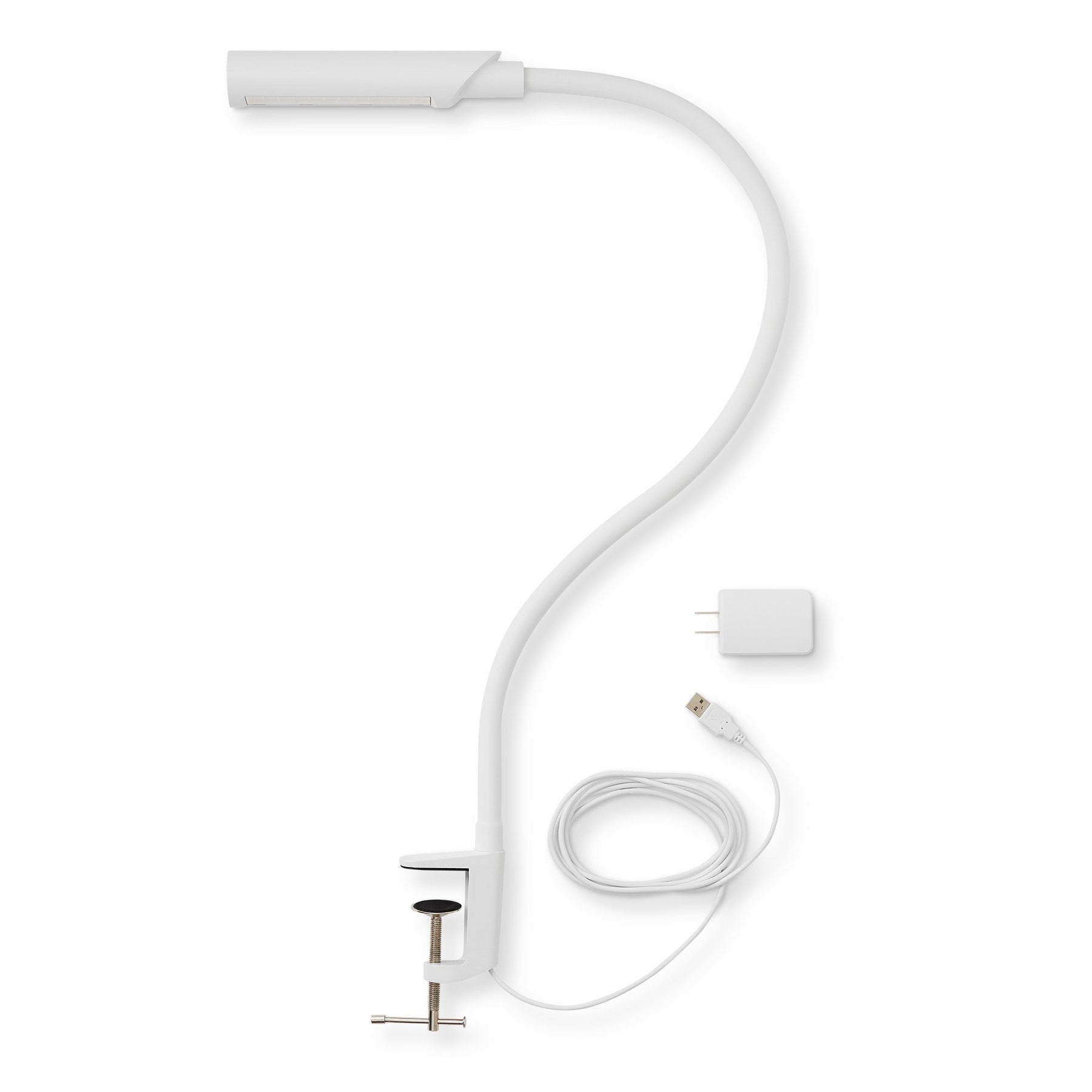
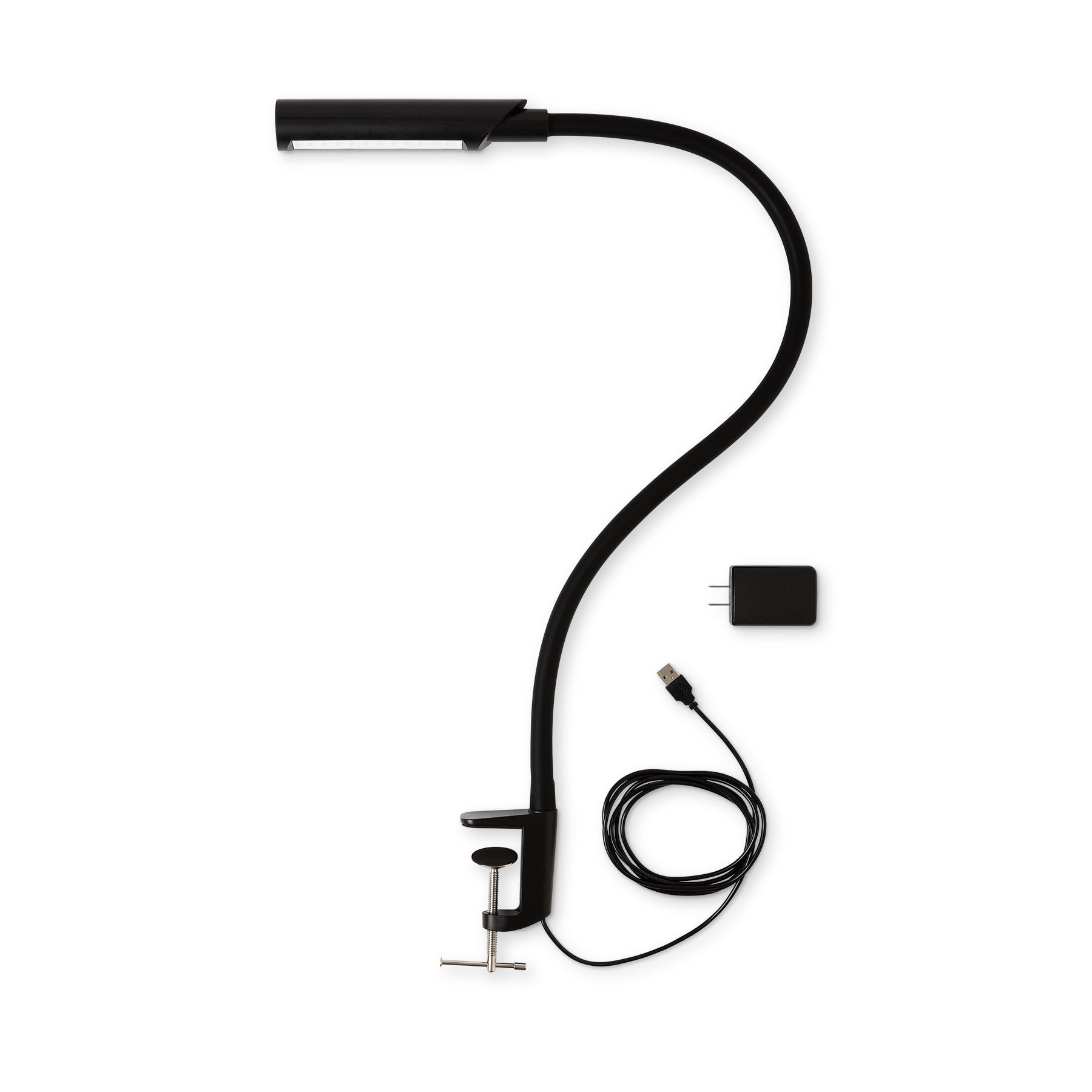
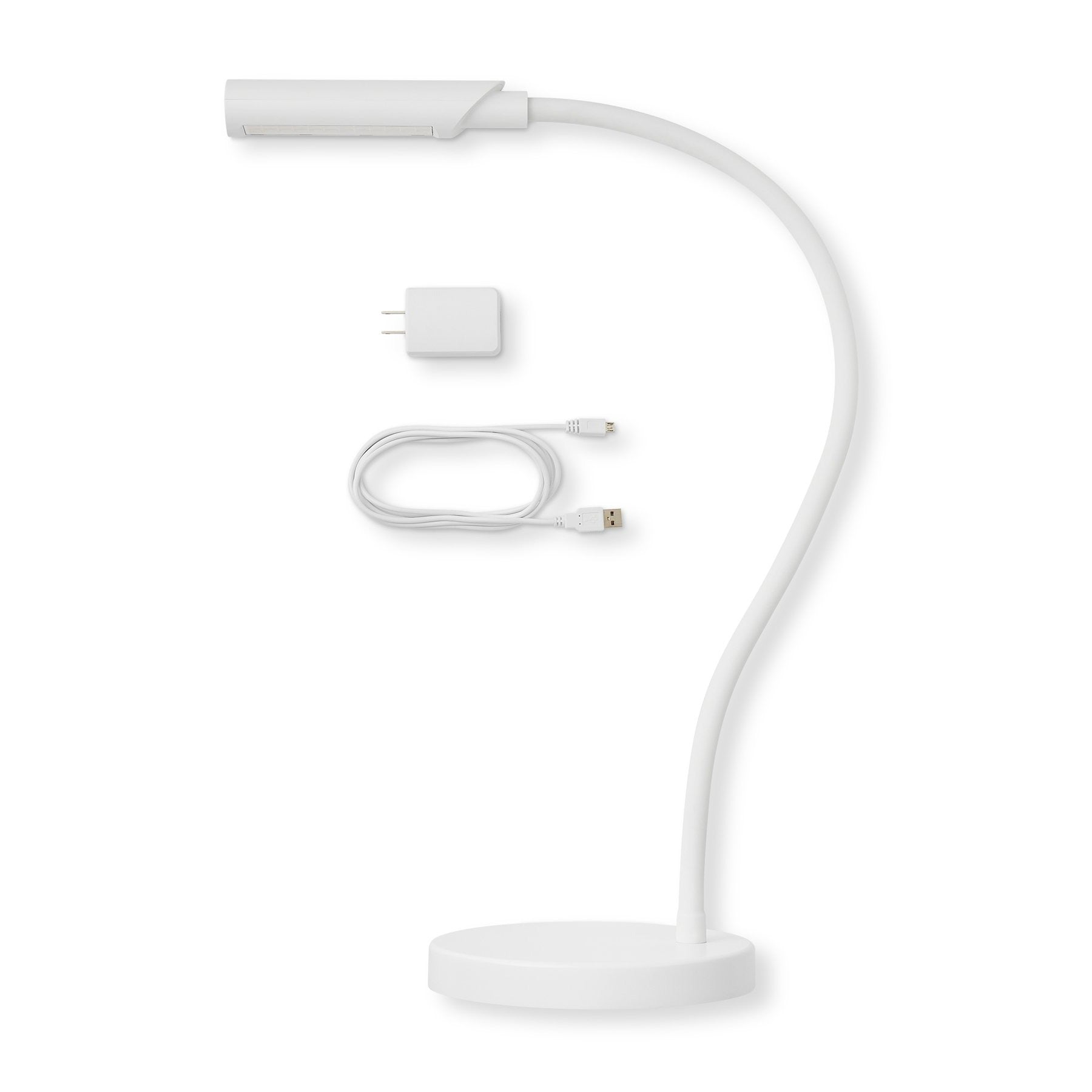
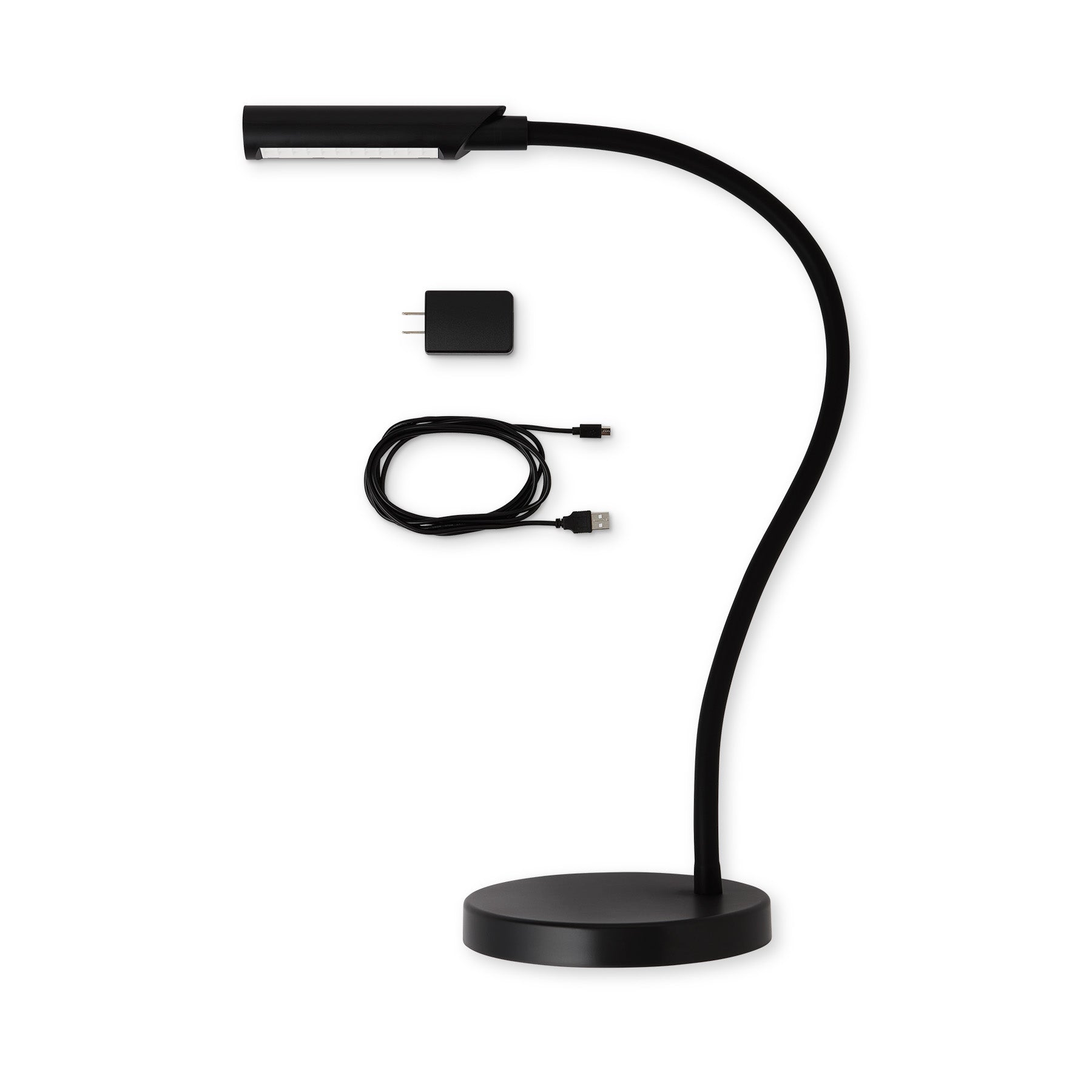
The UberLight™Flex from Reilable is purpose-designed for detail-oriented precision applications like sewing. Key features include:
|
A gooseneck of 26.5″ that allows precise light placement, eliminating shadows or glare on the sewing surface. More importantly, the light is specifically designed to not vibrate when sewing. |
Nine selectable light settings including three colour temperatures (2700 K / 4000 K / 5000 K), enabling fine tuning for each operator’s preference and ambient conditions. |
|
Up to 600 lumens and a CRI (colour-rendering index) of 80+, so colours and thread shades appear true-to-life, reducing visual confusion. |
USB connectivity and 2.12" (2.25") clamp design for easy mounting at sewing stations, making it simple to retrofit existing workstations. |


By giving operators precise, consistent lighting at their workstation, the UberLight™ Flex removes a major, often overlooked barrier to sustained productivity and comfort.
Quick Implementation Tips for Sewing Floors
- Position the gooseneck so that the beam hits the sewing throat and stitch area directly, without causing glare into the operator’s eyes.
- Select a warm colour temperature (2700K) for general sewing work or a more natural light (4000 K) for thread-matching or quality-inspection tasks.
- Encourage operators to optimize ambient lighting as well as task lighting (goal: 500 lux or more at task surface) to reduce contrast strain. RJPN Research Journal
- Include a 5-minute visual break every hour: look away from the task, blink consciously, refocus on a distant object. This helps mitigate cumulative eye fatigue.
- Monitor errors, downtime, and operator complaints about eye strain or headaches — these are early indicators of lighting-related issues.
The Bottom Line
Ergonomic chairs are only half the battle. For sewing operators who spend hours every day on precision stitching, lighting is just as critical. By investing in the UberLight™ Flex and standardizing proper illumination across workstations, you minimize eye fatigue, reduce mistakes, and support sustained productivity. Lighting is for people, not just machinery — and in a sewing environment, proper lighting leads to happier operators. In turn, this results in fewer lost metres and/or product returns.