Most people think ironing is about removing wrinkles. Professionals know it's really about controlling fabric
Whether you're pressing dress shirts, sewing projects, table linens, or delicate garments, the quality of the finished results depends on three things: moisture, heat, and support. When these elements work together, fabrics become easier to shape, smoother to finish, and less likely to suffer damage during pressing.
The Hidden Role of Moisture
Have you ever noticed how difficult it can be to remove deep wrinkles from dry fabric?
That’s because fabric fibers become more flexible when moisture is introduced. Steam allows fibers to relax, making it easier to reshape them with heat and light pressure. Instead of forcing wrinkles out, you’re allowing the fabric to return to its natural form.
This is why professional garment manufacturers, alteration shops, and dry cleaners rely on steam for finishing. The steam does much of the work before the soleplate ever touches the fabric.

More Steam, Less Effort
Traditional irons often require multiple passes over the same area. A higher volume of steam can dramatically reduce that effort by delivering moisture deeper into the fabric.
When fabric is properly conditioned with steam:
|
|
|
 Wrinkles release more quickly
Delicate fabrics experience less stress
Pressing requires less physical effort
Finishing time is reduced
The result is smoother garments and more consistent results from one pressing session to the next.
The result is smoother garments and more consistent results from one pressing session to the next.
Why Your Ironing Surface Matters
An iron gets most of the attention, but the board underneath is just as important.
A stable, well-built ironing board provides a safer work surface and helps maintain consistent contact between the fabric and the ironing surface. Larger work areas also make it easier to handle garments, bedding, quilting projects, and other oversized items.
Professional users understand that a quality board isn’t simply an accessory. It’s part of the complete pressing system.

The Professional Secret: Removing Steam
Applying steam is only half the process.
Professional finishers know that after steam enters the fabric, it must be removed. As the moisture leaves the fibers, the fabric cools and sets into its new shape.
This is why professional ironing stations often use vacuum systems. By pulling excess moisture from the fabric, the finish becomes sharper, crisper, and longer lasting.
The difference is particularly noticeable on dress shirts, trousers, uniforms, and structured garments where appearance matters.
When Airflow Works Better Than Pressure
Not every fabric responds well to direct pressing.
Materials such as velvet, corduroy, fleece, and other textured fabrics can lose their appearance when compressed. Professional blowing systems gently suspend the fabric on a cushion of air, allowing wrinkles to be removed while protecting the texture and pile.
This technique helps preserve the look and feel of specialty fabrics while still delivering a polished finish.
Choosing the Right Ironing Setup
The ideal ironing system depends on how often you press and the results you expect.
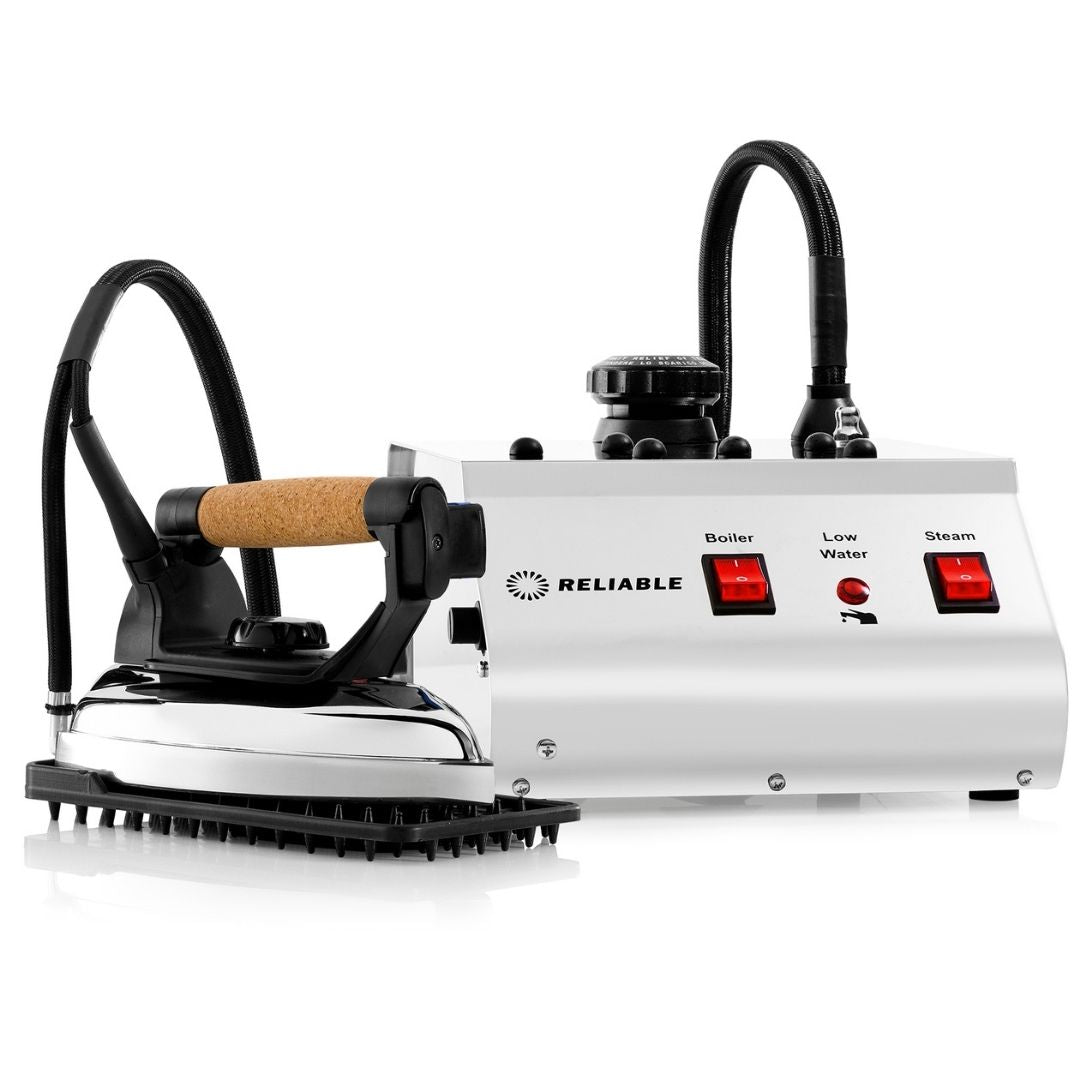
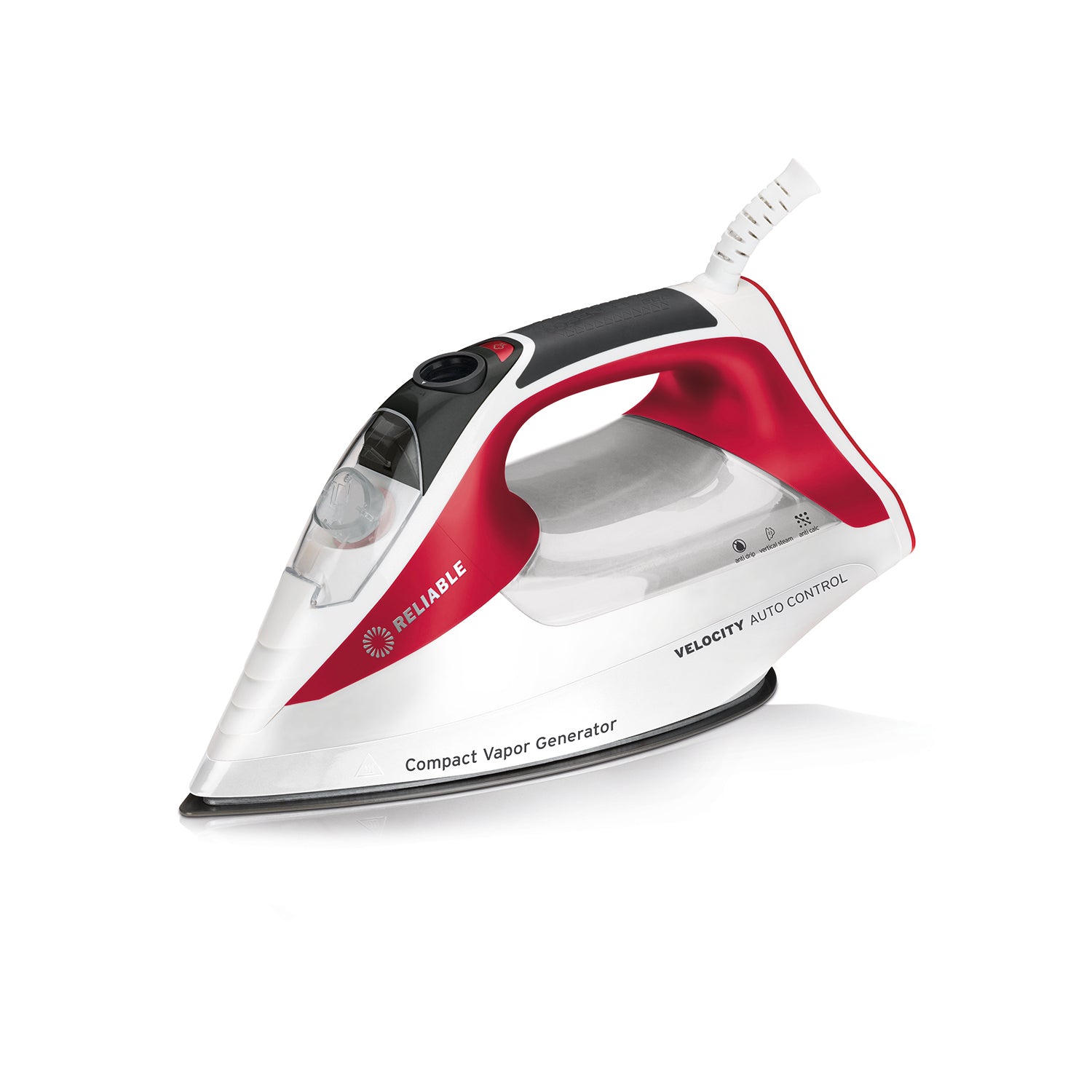
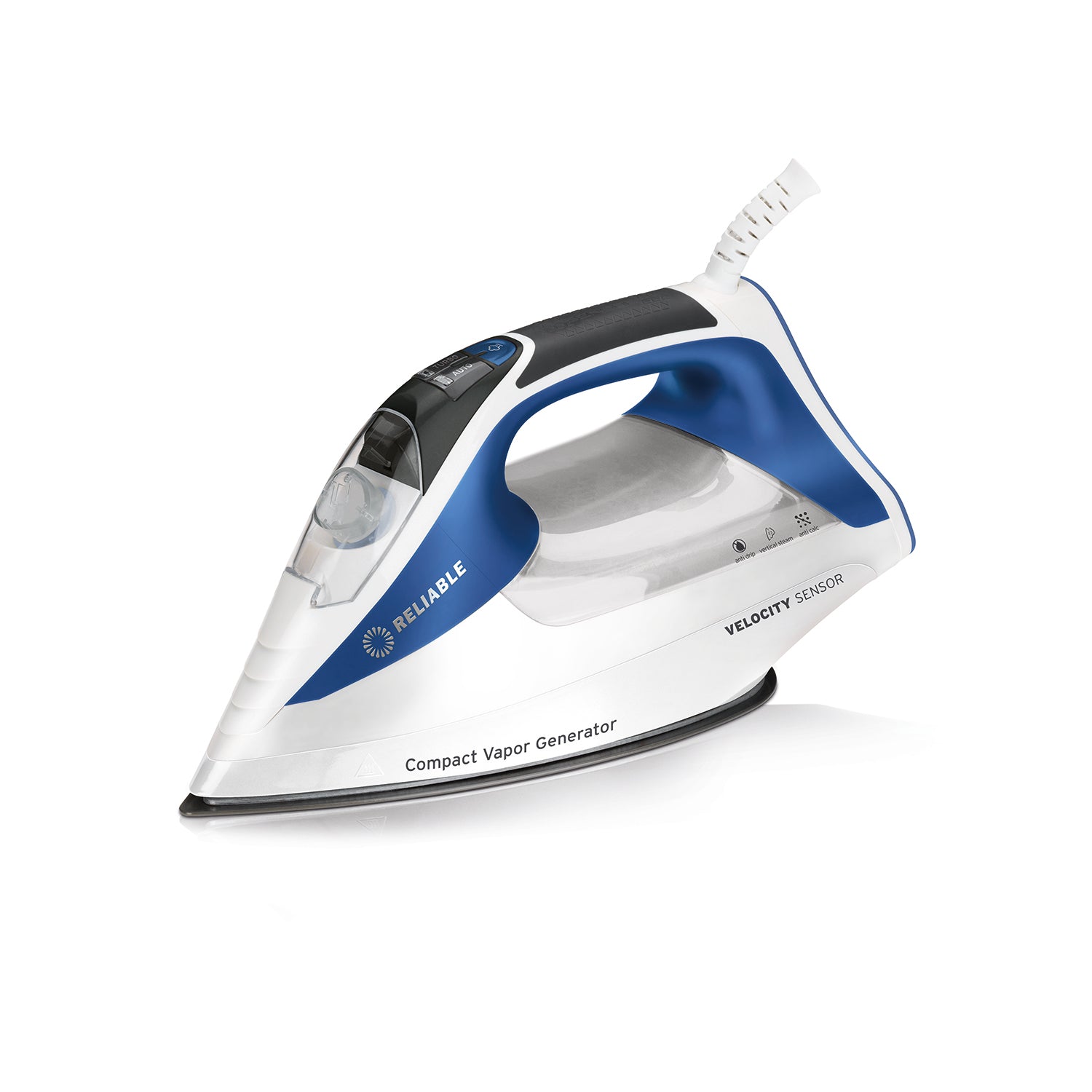
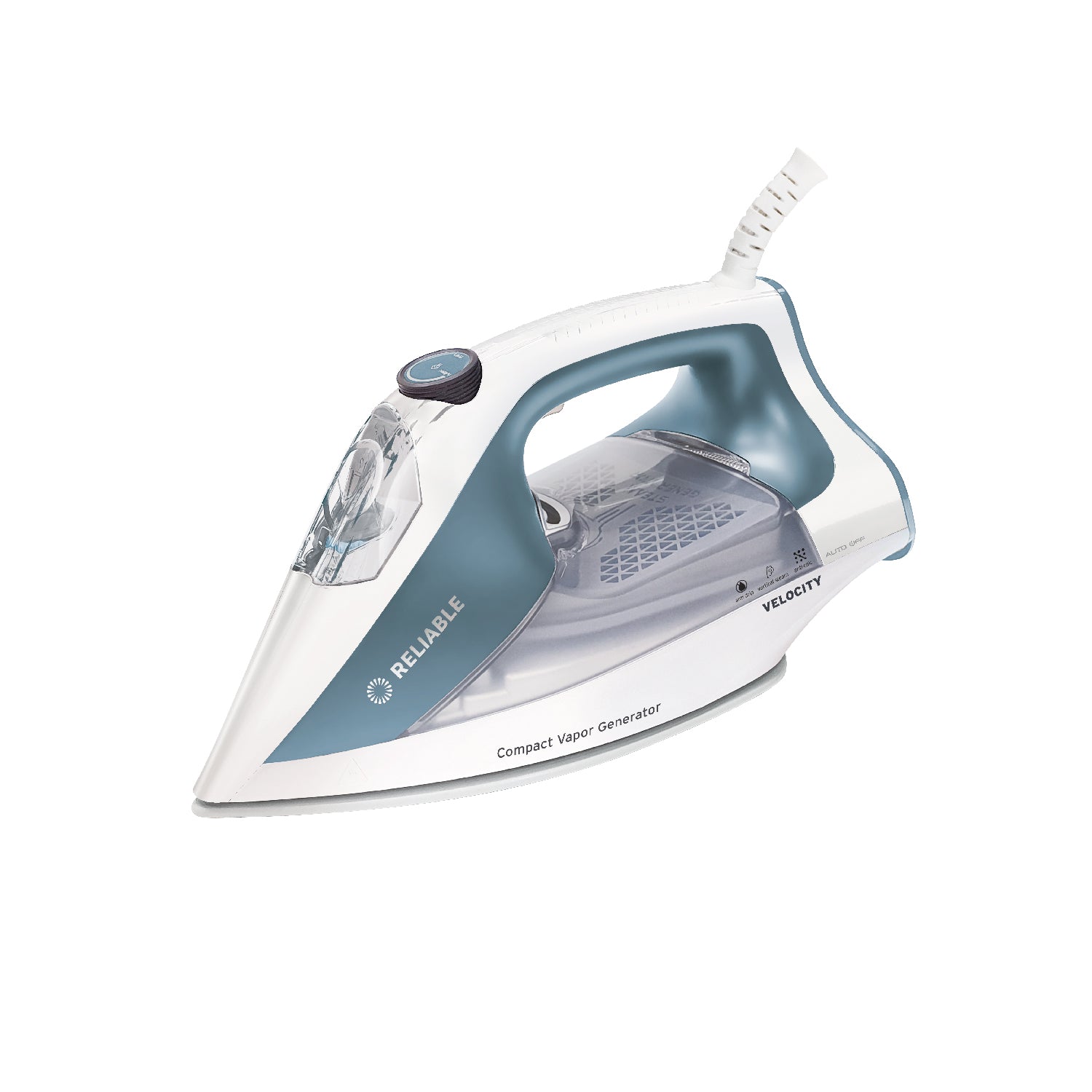
For occasional touch-ups, a standard steam iron may be sufficient. For sewists, quilters, garment makers, and anyone who regularly presses fabric, investing in a high-quality steam system can save significant time while producing noticeably better results.
The goal isn’t simply wrinkle removal. It’s achieving cleaner finishes, extending the life of your garments, and making fabric care faster and more enjoyable.
When moisture, heat, and airflow work together, professional results become much easier to achieve at home.